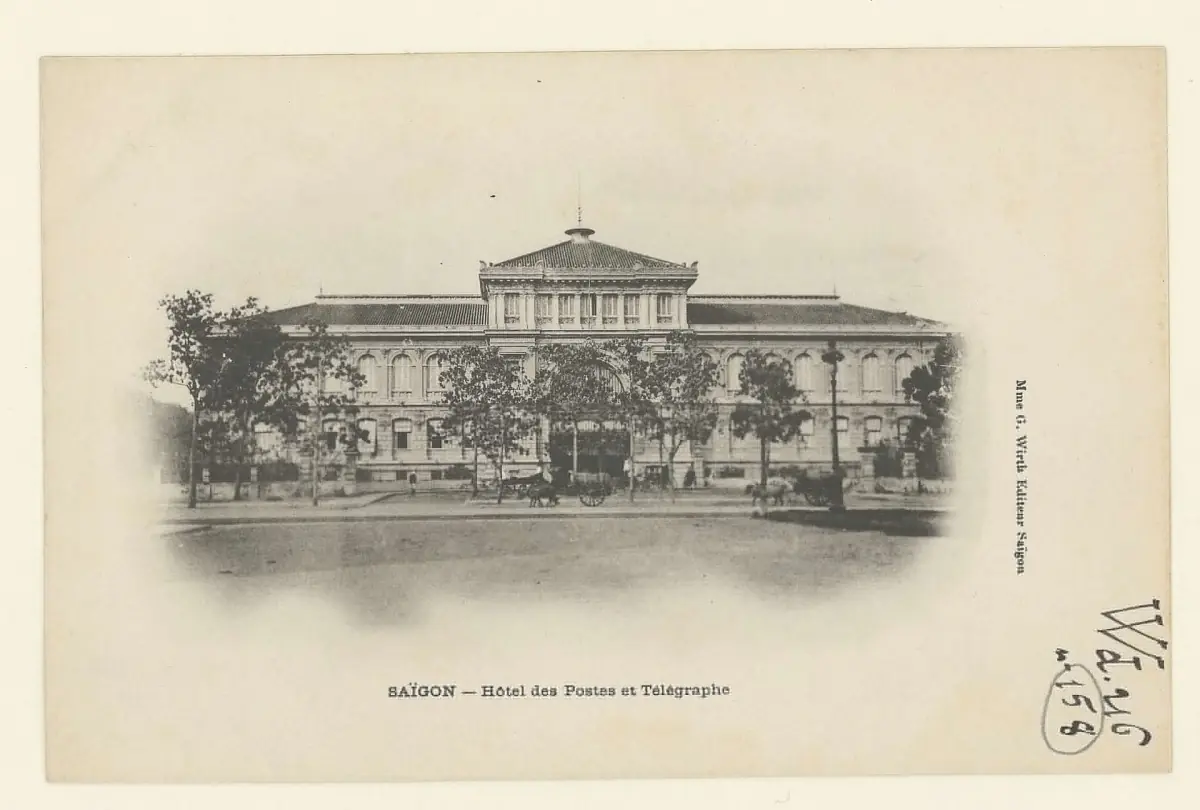
Ho Chi Minh City history in short
The city has had several names. Gia Định is the older administrative name, Sài Gòn is the name that stayed in daily use, and Thành phố Hồ Chí Minh is the official name since 1976. Many people still say Saigon, and both names are fine in conversation.
The dates below are administrative milestones. They do not say that nobody lived here before 1698. They give you a frame for the buildings, museums and districts you will see. If you want to see the history in person, the District 1 sites and the War Remnants Museum are the easiest places to start.
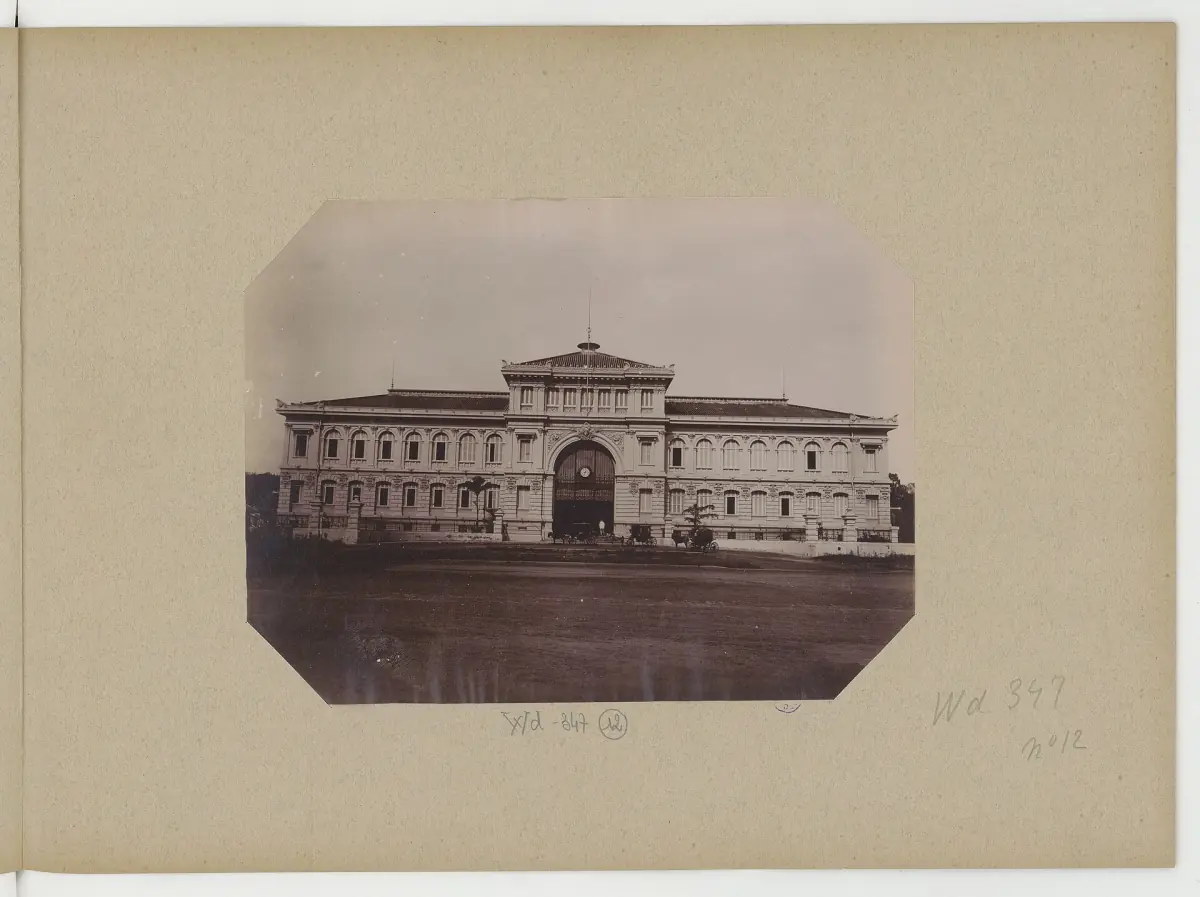
Key dates in Saigon history
The main administrative milestones.
| Date | What happened |
|---|---|
| 1698 | Nguyễn Hữu Cảnh sets up the Gia Định prefecture and its administration in the Saigon area |
| 1859 | The citadel is destroyed |
| 1862 | The eastern provinces are ceded to France |
| 30 April 1975 | End of the fighting in Saigon and the start of the later city order |
| 2 July 1976 | Sài Gòn-Gia Định becomes Thành phố Hồ Chí Minh |
| 1 July 2025 | Merger with Bình Dương and Bà Rịa-Vũng Tàu and a new local administration |
The name Ho Chi Minh City dates from 2 July 1976, not from 1975. French rule also did not cover the whole period up to 1975.
Our pick: two major historical sights
A tour past the Reunification Palace and the War Remnants Museum, two places tied to the war years.
Hand-picked tours, booked through Viator. Prices are indicative starting prices in US dollars (as of October 2026). Tap a tour for live availability and the current price in your currency.
Ho Chi Minh City tours and day trips
City walks, Cu Chi, Mekong Delta and river trips, with live prices and availability.
From Gia Dinh to Saigon: the early city
An administrative start in 1698.
The year 1698 marks the setting up of the Gia Định prefecture under Nguyễn Hữu Cảnh, with an administration in the Saigon area. That is a milestone of government, not the start of settlement. In 1859 the citadel was destroyed, and in 1862 the eastern provinces were handed over to France.
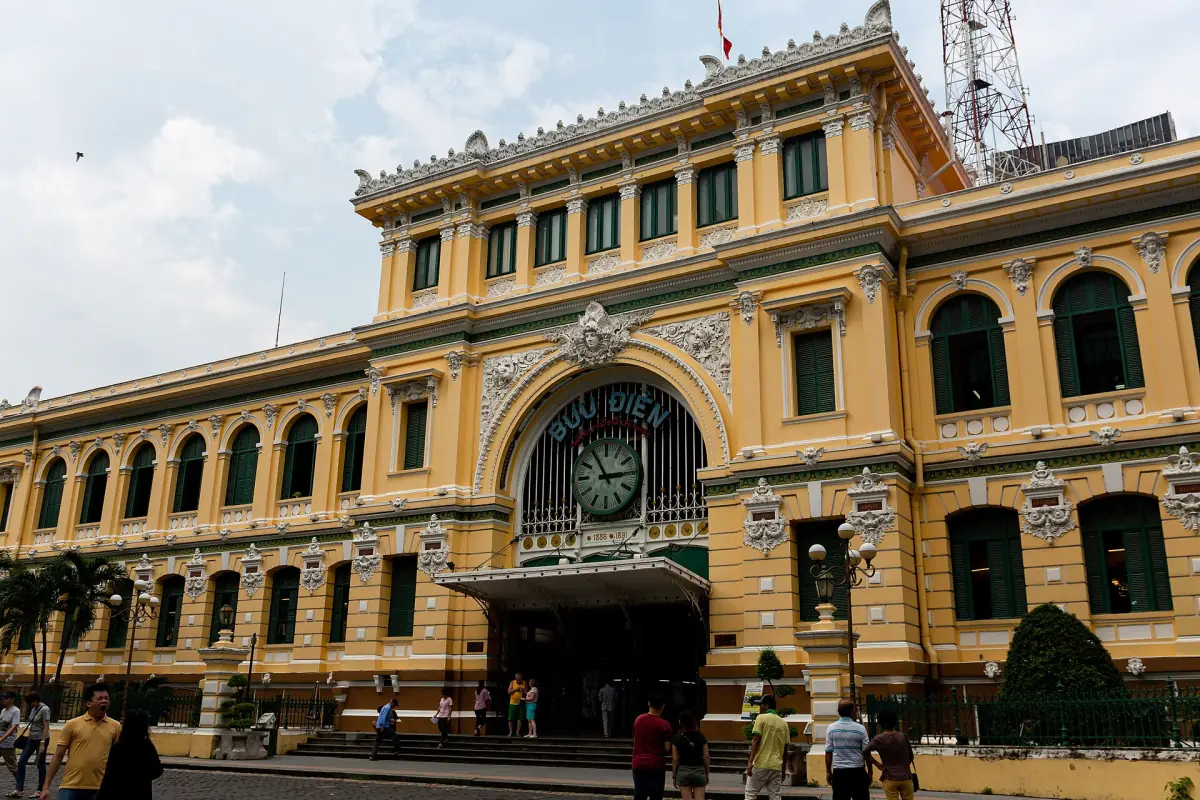
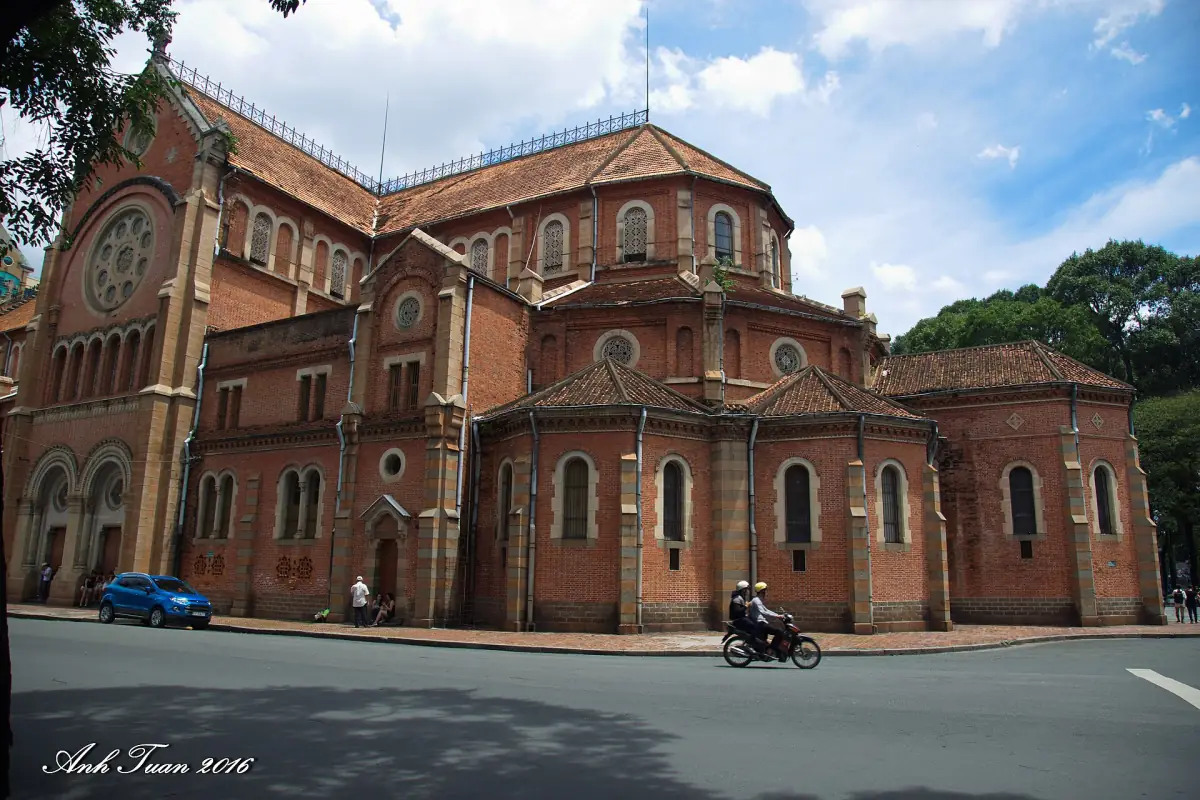
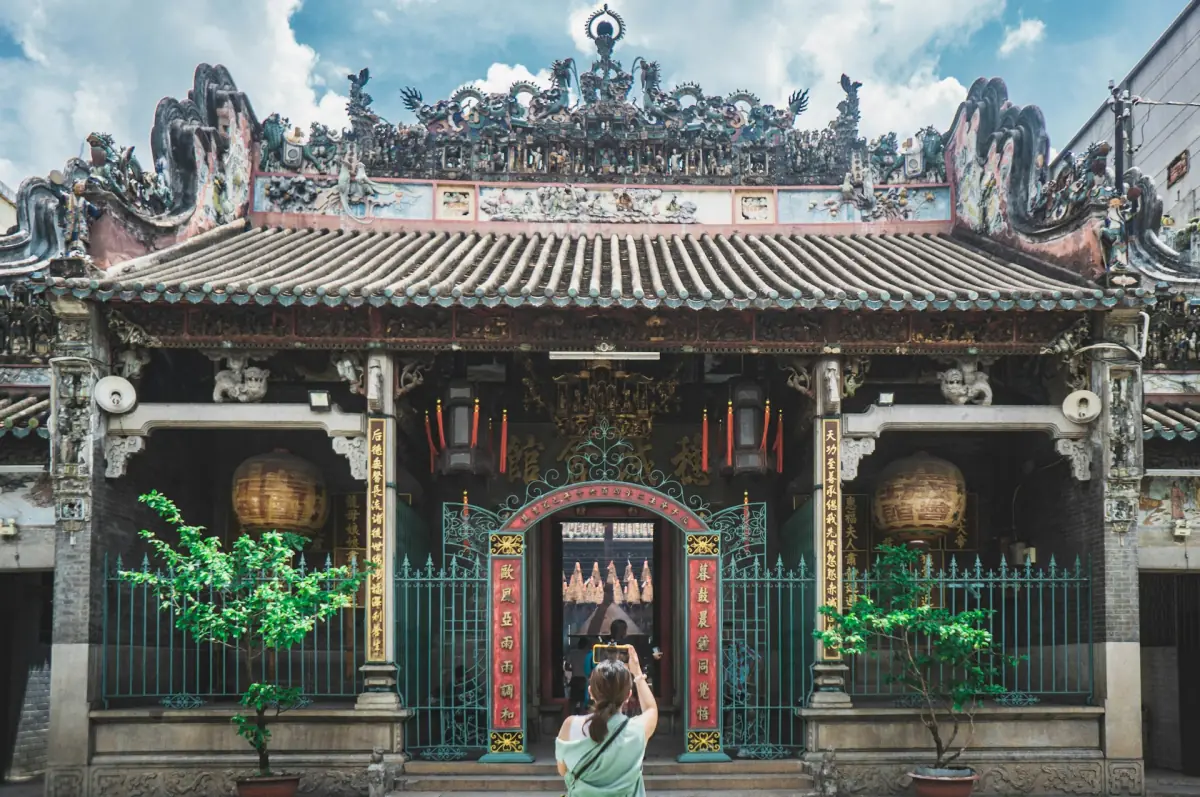
The old centre still has buildings from the colonial period. The Central Post Office and the cathedral of Notre-Dame, both in District 1, are two examples. The cathedral is under restoration, so see it from outside and do not plan on going in. For a walk that links these places, read our District 1 page.
1975 and the change of name
Treated here as a historical event.
In Saigon, 30 April 1975 is the day the fighting ended and the later city order began. On 2 July 1976 the city of Sài Gòn-Gia Định was renamed Thành phố Hồ Chí Minh. The old name Saigon lives on in everyday speech, in the name of the Saigon River.
The Reunification Palace (Dinh Độc Lập, also Dinh Thống Nhất) is one historic site with two names. Adults pay VND 80,000 for entry in 2026. The palace is open from 7 a.m. to 6 p.m. daily, so check the closing time at the gate.
The city since 2025
A bigger city on paper.
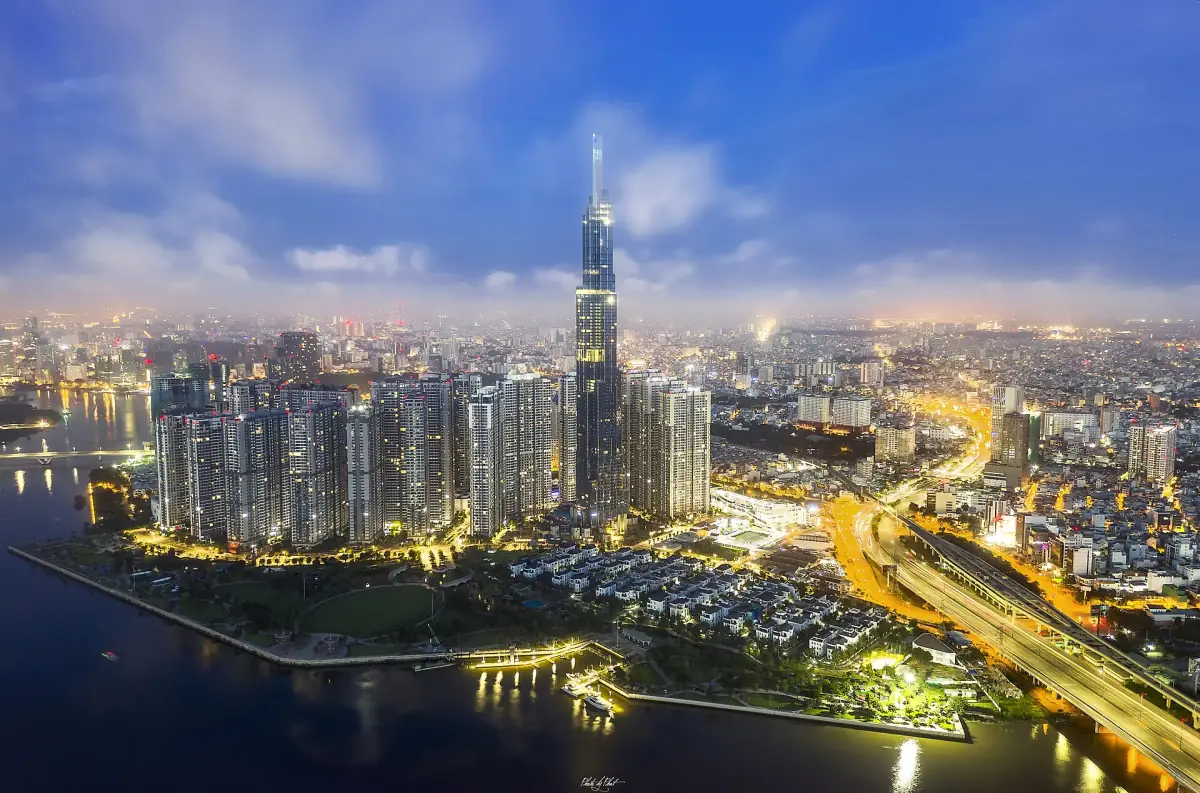
Since 1 July 2025 Ho Chi Minh City includes Bình Dương and Bà Rịa-Vũng Tàu. The area is more than 6,772 square kilometres and the population is about 14 million. These figures describe the enlarged administrative unit, not the old city centre alone. The number of local units fell from 441 to 168, and a two-level local government replaced the earlier district administration.
In practice this changes names more than places. District 1 is now split into wards such as Sài Gòn, Tân Định, Bến Thành and Cầu Ông Lãnh. Visitors still say District 1 for the old centre. Vũng Tàu is part of the larger city, but it remains a separate coastal destination, and the merger does not make it a short ride from the centre. See also day trips from Ho Chi Minh City.
Where to see the history
Museums and sites, with 2026 entry details.
War Remnants Museum
At 28 Võ Văn Tần, open daily from 7:30 a.m. to 5:30 p.m., ticket office until 5 p.m. A regular ticket costs VND 60,000 from 1 October 2026. The museum has 9 permanent exhibition areas covering evidence of the war and its consequences. Some displays are hard to see, so prepare yourself, especially if you bring children. Children under 10 need an adult with them.
Ho Chi Minh City Museum
The city museum is separate from the Bến Nhà Rồng site. A regular ticket costs VND 60,000 from 1 October 2026. Check the opening days before you go.
Cu Chi Tunnels
The two sites, Bến Dược and Bến Đình, are open daily from 7 a.m. to 5 p.m. Foreign visitors pay about VND 90,000 to 135,000 per site. The shooting range is a separate activity and not part of the entry. Read more on the Cu Chi Tunnels page.
Bến Nhà Rồng
This branch of the Hồ Chí Minh Museum on the riverfront has been closed for building work. Confirm that it has reopened before you plan a visit.
Plan the rest of your trip
Where to go next.
Ho Chi Minh City history: frequently asked questions
When did Saigon become Ho Chi Minh City?
On 2 July 1976, when Sài Gòn-Gia Định was renamed Thành phố Hồ Chí Minh. The change did not happen in 1975.
What was Ho Chi Minh City called before?
Gia Định is the older administrative name, from the prefecture set up in 1698. Sài Gòn is the name that stayed in daily use. Sài Gòn-Gia Định was the combined name before 1976.
How big is Ho Chi Minh City now?
The merged city covers more than 6,772 square kilometres and has about 14 million people. This includes Bình Dương and Bà Rịa-Vũng Tàu since 1 July 2025.
What happened on 30 April 1975?
It marks the end of the fighting in Saigon and the transition to the city order that followed. This page treats it as a historical event.
Which museum should I visit first?
The War Remnants Museum covers the war years, and the Reunification Palace is a historic site. The City Museum covers the city itself. Entry for the two museums is VND 60,000 from 1 October 2026.